
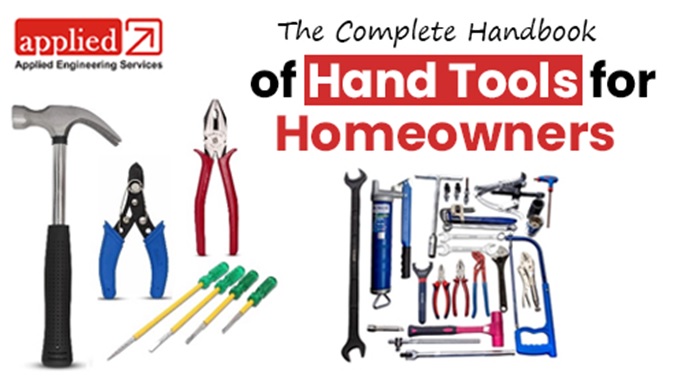
The Complete Handbook of Hand Tools for Homeowners
Hand tools are essential for every homeowner who wants to handle everyday repairs, maintenance, and small improvement projects with confidence. From tightening loose screws to measuring spaces accurately, the right hand tools save time, money, and effort. This complete handbook explains the most important hand tools, how to choose the right set, safety practices, and maintenance tips to help homeowners master home repairs efficiently.
Types of Hand Tools
Understanding the basic types of hand tools helps homeowners select the right tool for each task. Some of the most commonly used hand tools include:
- Hammers: used for hammer nails, nails pectoralis and light demolition. Claw hammers are the most common one to be used at home.
- Screwdrivers: important for tightening and loosening the screws. A flat head and Phillips screw driver should be in every home.
- Pliers: excellent for gripping, bending and twisting wires and cutting them. Combination pliers and long nose pliers – these are best options when it comes to doing repairs at home.
- Wrenches: meant to tighten or loosen up nuts and bolts. Adjustable Wrench They can work on many different sizes.
- Chisels: for shaping wood, removal of materials, density carving etc.
- Spanners: these are used commonly in mechanical and plumbing work and to secure bolts and fittings.
- Tape measures: indispensable for proper measurements when arranging furniture or when carrying out renovations or DIY projects. These tools form the foundation of a practical home toolkit.
What Are the Best Hand Tool Brands?
The best brands of hand tools are known to be durable, precise, and ergonomically designed tools. They make use of hardened steel build, provide comfortable grips and they last for a long time. Selecting the brands that are trusted creates a sense of increased safety, less answer risk to tools failing, and any home repairs done wait to be done consistently.
While premium brands may cost more initially, they provide better value over time by lasting longer and performing more reliably than low-quality alternatives.
Choosing the Right Tool Set
Selecting the right tool set depends on your home maintenance needs and skill level. A good homeowner tool kit should include essential hand tools without unnecessary extras.
When choosing a tool set, consider:
- The quality of materials used
- The variety of tools included
- Ease of storage and organization
- Comfort and grip design
Beginners are best advised to begin with a simple kit and only acquire tools when they have gained experience as well as the majority to work on more complex tasks.
Hand Tools vs Power Tools
Both hand tools and power tools are important in performing improvement tasks at home.
Hand tools are best used in precision work, minor repairs and for applications that need greater control. They are cheap and can be carried around and they do not require electricity.
Power tools are better for heavy duty tasks, working on tasks repeatedly and with large projects. They need more safety precautions and maintenance.
For most homeowners, hand tools are sufficient for routine repairs, while power tools can be added when needed.
What Are the Safety Basics?
- Wearing protective gear such as gloves and safety glasses
- Using the correct tool for the task
- Keeping tools clean and in good condition
- Avoiding excessive force that could cause slips or injuries
- Storing tools safely after use
Following these safety basics helps prevent accidents and ensures efficient work.
Cleaning and Storing Tools to Make Tools Last Proper maintenance prolongs the life of the hand tools and retains them for use. Follow these steps:
- Clean tools after every use to ensure that dust and moisture is removed
- Light oil is used to prevent rusting of metal parts
- Put tools in a dry organized tool box or cabinet
- Cover sharp tools to keep it safe
Well-maintained tools for better performance and to keep away the cost of replacement.
Tips for Beginners Building Their First Tool Collection
For beginners, building a tool collection should be simple and practical. Start with essential tools, focus on quality over quantity, and learn basic tool handling through small projects. Avoid buying large tool kits immediately. Instead, add tools gradually as your skills and project requirements grow. This approach ensures smart investment and steady learning.
Master Home Repairs with the Right Hand Tools
Having the right hand tools empowers homeowners to handle common repairs without relying on professionals. From fixing furniture to basic plumbing and electrical tasks, a well-equipped toolkit improves efficiency, confidence, and cost savings. With proper knowledge, safety practices, and maintenance, hand tools become reliable companions for long-term home care.
Learn more about selecting a suitable tool, contact the Applied Engineering Services team today
📧 Email: info@appliedengg.in
🌐 Website: https://appliedengg.in/
FAQs
Q1. What are the most essential hand tools for homeowners?
Hammers, screwdrivers, pliers, adjustable wrenches, tape measures, and utility knives are essential.
Q2. Are hand tools better than power tools for beginners?
Yes, hand tools offer better control, safety, and affordability for beginners.
Q3. How long do hand tools last?
With proper care and storage, quality hand tools can last for many years.
Q4. How should hand tools be stored at home?
They should be stored in a clean, dry place using toolboxes or wall-mounted organizers.
Q5. Is it worth investing in premium hand tools?
Yes, premium tools provide better durability, performance, and safety over time.